What is caryophyllene oxide

Sources and Applications of Caryophyllene Oxide
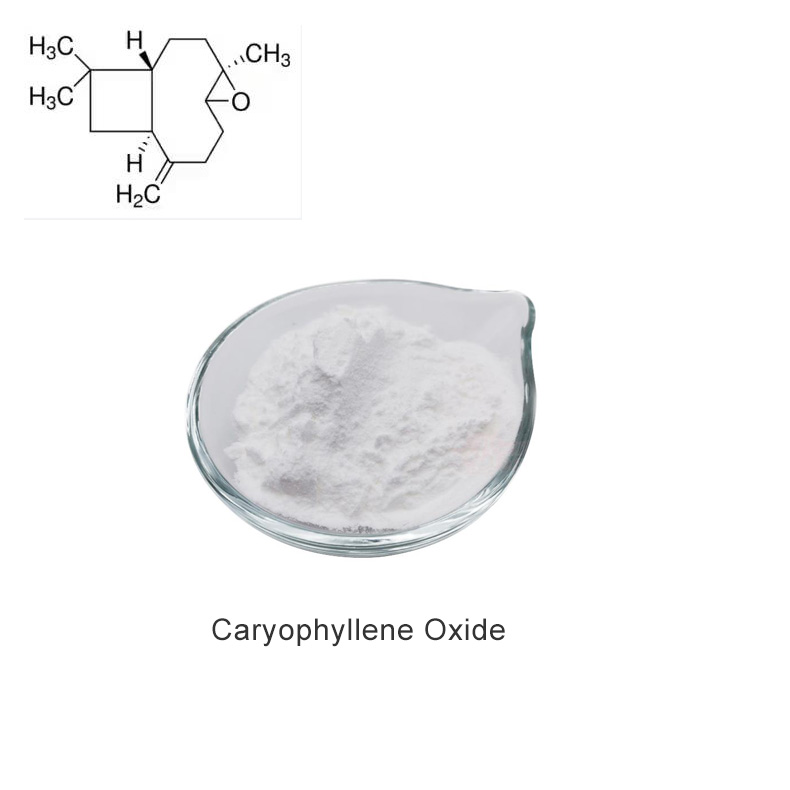
Caryophyllene oxide is a bioactive monoterpene compound with the molecular formula C₁₅H₂₄O. It is widely found in the essential oils of plants such as clove, hemp, and black pepper, and possesses various biological activities, including antibacterial, anti-inflammatory, analgesic, and neuromodulatory effects.
Chemical Properties of Caryophyllene oxide
CAS No.: 1139-30-6
Molecular Weight: 220.35
Melting Point: 62–63°C
Specific Rotation: [α]²⁰/D −70° (in chloroform)
Appearance: White crystalline powder
Solubility: Slightly soluble in chloroform and methanol, insoluble in water
Fragrance: Woody, camphor-like aroma, commonly used in fragrance formulation
Bioactivity and Applications of Caryophyllene oxide
- Temperature Sensing Regulation
Studies have found that giant pandas can reduce their sensitivity to cold environments by approximately 5–8°C by contact with fresh horse manure containing caryophyllene oxide (stored for ≤10 days). This substance can bind to the TRPM8 cold receptor, producing a local anesthetic effect. - Antibacterial and Antifungal
Inhibition rate against Klebsiella pneumoniae can reach 78.3% (concentration ≥0.8 mg/mL). Adding it to shampoo products can inhibit Propionibacterium acnes, aiding in acne prevention and treatment, and promoting hair growth.
- Synergistic analgesic effect: When used in combination with acetaminophen, it can enhance the analgesic effect by 32% and reduce the risk of gastric mucosal damage. The mechanism involves the regulation of the TRPV1 receptor pathway.
Main Uses of Caryophyllene Oxide in Food
Caryophyllene Oxide can be used in the food industry as a natural food flavoring and preservative, possessing multiple functions such as flavor enhancement, antibacterial properties, and shelf-extending effects, complying with GB 2760 and international food safety standards.
- Flavor Enhancement
It imparts woody, spicy, camphor-like, and slightly sweet fruity aromas to food, often used to simulate the flavors of natural spices such as black pepper, cloves, and rosemary.
It is widely used in baked goods, candies, beverages, condiments, sauces, and meat products, enhancing flavor complexity and depth.
It aligns with the “clean label” trend, can replace some chemical flavorings, and supports the “natural and additive-free” product positioning.
- Natural Preservation
It has a significant inhibitory effect on Staphylococcus aureus, Klebsiella pneumoniae, and Candida albicans, delaying food spoilage. - Inhibition of Lipid Oxidation
Prevents rancidity in oily foods and extends shelf life.
In sauces and pickled foods, it can reduce the use of chemical preservatives (such as sodium benzoate).
- Synergistic Effect: When used in combination with sugar substitutes (such as erythritol), it can compensate for the bland taste caused by sugar reduction and improve overall flavor acceptability.
It synergizes with β-caryophyllene to enhance anti-inflammatory and digestive regulatory functions, and has potential applications in the development of functional foods.
- Pharmaceutical and cosmetic applications:
As a transdermal absorption enhancer, it improves the transdermal efficiency of drugs (Kangyuan Pharmaceutical has applied for relevant patents).
In skincare products, it is used to repair damaged cells, reduce inflammation, and provide antioxidant benefits, making it suitable for various skin types, including sensitive and oily skin.
- Agricultural and daily chemical uses: It can be used as a natural insect repellent, with repellent or toxic effects on pests such as Aedes mosquitoes and rice weevils.
Used in men’s perfumes, soaps, tobacco flavorings, etc., providing a woody and spicy base note.
Main Uses of Caryophyllene Oxide in Food
Caryophyllene Oxide can be used in the food industry as a natural food flavoring and preservative, possessing multiple functions such as flavor enhancement, antibacterial properties, and shelf-extending effects, complying with GB 2760 and international food safety standards.
- Flavor Enhancement
It imparts woody, spicy, camphor-like, and slightly sweet fruity aromas to food, often used to simulate the flavors of natural spices such as black pepper, cloves, and rosemary.
It is widely used in baked goods, candies, beverages, condiments, sauces, and meat products, enhancing flavor complexity and depth.
It aligns with the “clean label” trend, can replace some chemical flavorings, and supports the “natural and additive-free” product positioning.
- Natural Preservation
It has a significant inhibitory effect on Staphylococcus aureus, Klebsiella pneumoniae, and Candida albicans, delaying food spoilage. - Inhibition of Lipid Oxidation
Prevents rancidity in oily foods and extends shelf life.
In sauces and pickled foods, it can reduce the use of chemical preservatives (such as sodium benzoate).
- Synergistic Effect: When used in combination with sugar substitutes (such as erythritol), it can compensate for the bland taste caused by sugar reduction and improve overall flavor acceptability.
It synergizes with β-caryophyllene to enhance anti-inflammatory and digestive regulatory functions, and has potential applications in the development of functional foods.
Safety and storage:
Flammable solid, auto-ignition temperature >200°C, must be stored away from light and moisture.
It poses a chronic hazard to aquatic life (EC₅₀ = 0.8 mg/L), and it is recommended to wear protective equipment during handling.